
Is Your Home Ready? A Guide to Preparing Your Electrical System for Hurricane Season
Here in the Lowcountry, we know that preparing for hurricane season is an annual ritual. Y'all get the shutters ready, stock up on water, and make an evacuation plan. But one of the most critical, and often overlooked, aspects of storm readiness is your home's electrical system. A powerful storm can pose significant risks, from power surges to prolonged outages and even electrical fires. Ensuring your system is safe, secure, and resilient is key to protecting your family and property. This guide will walk you through the essential steps for preparing your Savannah home's electrical system before, during, and after a storm.
Step 1: Conduct a Pre-Storm Electrical Safety Inspection
Before the season even begins, a thorough inspection of your electrical system can identify and resolve potential hazards. An ounce of prevention is truly worth a pound of cure when it comes to electrical safety.
What to look for:
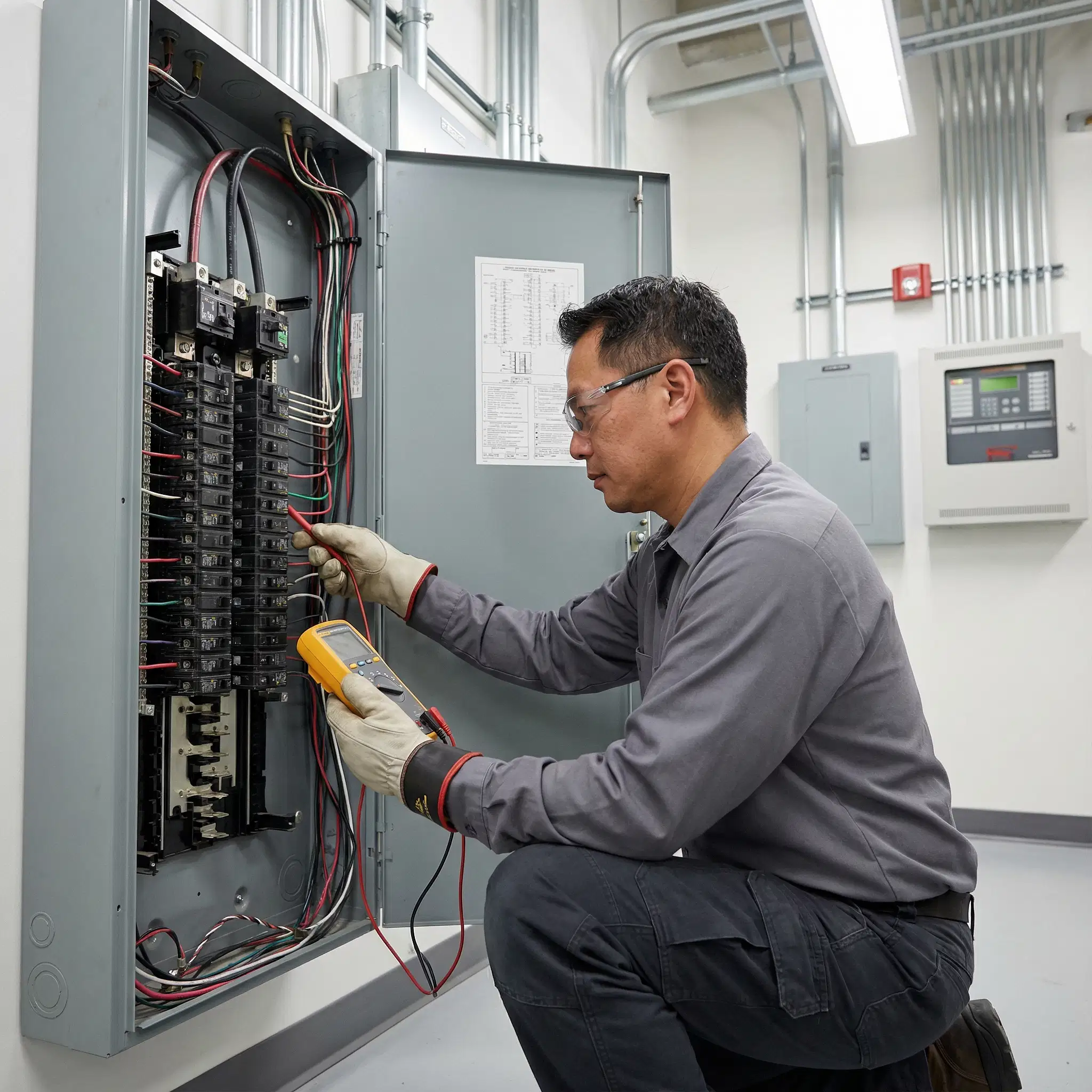
- Your Electrical Panel: Check your breaker box for any signs of rust, water damage, or corrosion. These are red flags that moisture has gotten in, which can be extremely dangerous. Also, ensure your breakers are clearly labeled. During an emergency, you don't want to be guessing which switch controls which part of your home.
- Outdoor Connections: Inspect all outdoor electrical outlets, junction boxes, and wiring. Ensure they are properly sealed with weather-resistant covers to prevent water intrusion. Pay special attention to the wiring for pools, hot tubs, and landscape lighting.
- Fraying or Damaged Wires: Look for any visible signs of wear and tear on wiring inside and outside your home. Older homes, especially those in the Historic District, may have outdated systems like knob and tube wiring that are particularly vulnerable and may not be up to modern safety codes.
- Trees and Power Lines: Take a walk around your property and look at the trees. Are there any limbs hanging over the service drop—the main power line that runs from the utility pole to your house? High winds can bring these limbs down, potentially ripping the power line from your home and causing severe damage.
While a visual check is a good start, having a licensed electrician perform a comprehensive safety audit provides peace of mind. A professional can spot underlying issues you might miss, ensuring your system is compliant and ready to withstand the stress of a storm.
Step 2: Protect Your Electronics with Surge Protection
Lightning strikes and fluctuating power from the grid during a storm can send powerful electrical surges through your home's wiring. These surges can instantly destroy expensive electronics like computers, televisions, smart home devices, and major appliances.
Many people rely on small, plug-in surge protector strips, but these offer limited protection. For robust, comprehensive safety, a whole-home surge protector is the best solution. This device is installed directly at your electrical panel and acts as a gatekeeper, stopping surges from entering your home's electrical system in the first place. It protects every outlet and all your hard-wired appliances, like your HVAC system and refrigerator.
Investing in whole-home surge protection is a proactive measure that safeguards thousands of dollars worth of equipment. It’s a critical upgrade for any modern home, especially in a region prone to intense electrical storms.
Step 3: Plan for Power Outages with a Backup Solution
A major hurricane can lead to power outages that last for days or even weeks. Living without electricity means no refrigeration, no air conditioning (a serious issue in our humid climate), no lights, and no way to charge essential devices. A reliable backup power source is no longer a luxury; it's a key part of a modern storm preparedness plan.
There are two primary options:
- Portable Generators: These are smaller, gasoline-powered units that can power a few essential items, like a refrigerator and some lights, via extension cords. They are a more affordable upfront option but require manual setup, frequent refueling, and must be operated outdoors at a safe distance from the home to prevent carbon monoxide poisoning.
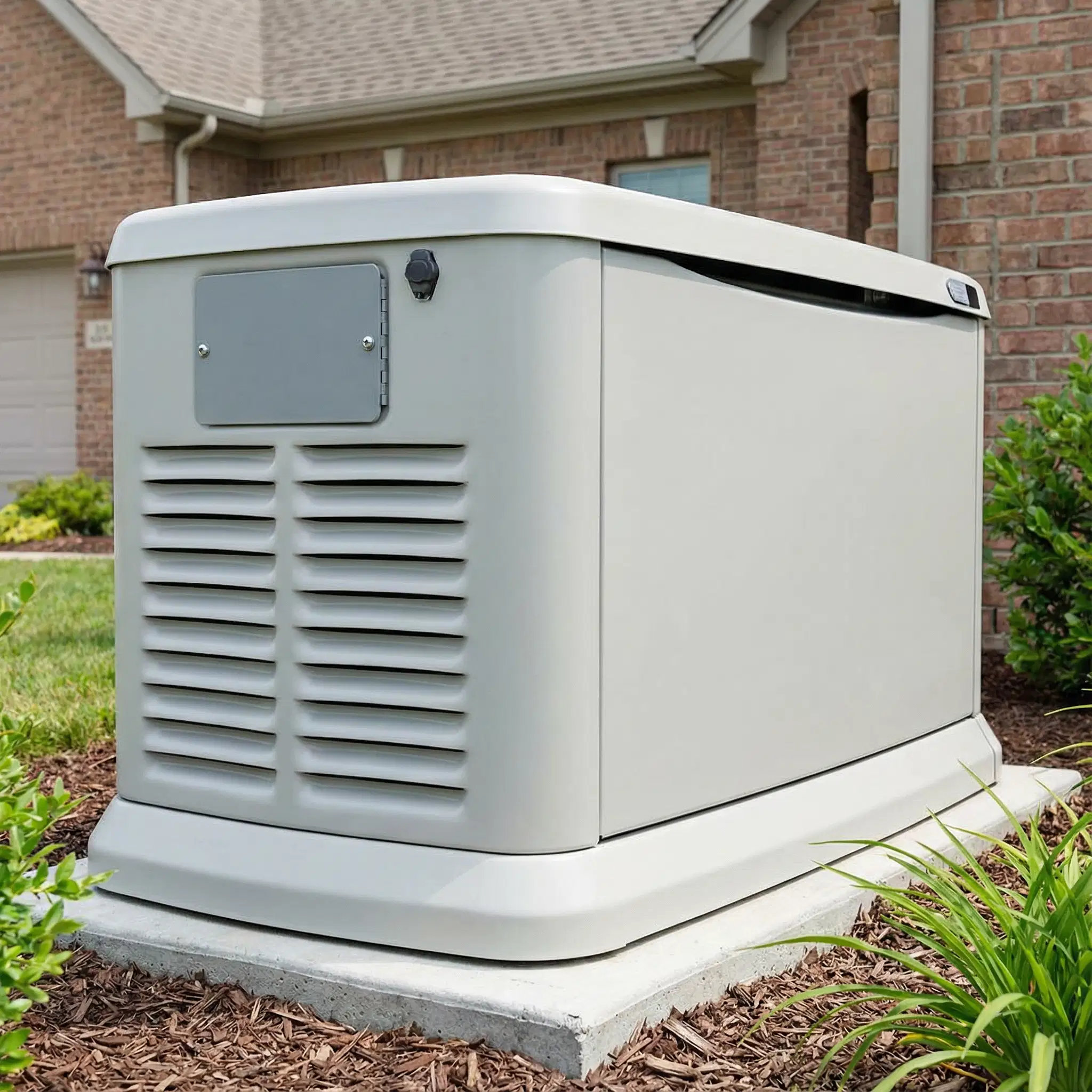
- Standby Generators: A standby generator is a permanent solution that is professionally installed outside your home and connected directly to your electrical panel. It constantly monitors the power from the utility. When an outage is detected, it automatically turns on within seconds, restoring power to your entire home or to pre-selected essential circuits. They run on natural gas or propane, so there's no need to store gasoline or refuel them manually.
Choosing the right backup power solution depends on your budget and needs. However, for seamless, automatic protection that keeps your entire home running, a standby generator is the gold standard for hurricane readiness.
Step 4: Know What to Do After the Storm Passes
Once the storm has passed and it's safe to go outside, electrical safety remains a top priority. Before flipping any breakers back on, it's important to assess the situation.
- Check for Water Damage: If your home has experienced any flooding, especially near outlets or the electrical panel, do not restore power. Water and electricity are a deadly combination. Call a licensed electrician immediately to inspect the system for damage.
- Look for Downed Power Lines: Always assume any downed power line is live and dangerous. Stay far away and report it to the utility company right away. Never attempt to move or touch them.
- Inspect Your Service Drop: Visually check the main power line connected to your house. If it appears damaged, loose, or has been pulled away from the house, contact an electrician before asking the utility to restore power.
- Turn on Breakers Cautiously: If your home is dry and your equipment looks undamaged, you can begin to restore power. Turn on the main breaker first, then turn on the individual circuit breakers one by one. If a breaker trips immediately, leave it off and call a professional. It indicates a short or other problem on that circuit.
When in doubt, always err on the side of caution. Emergency electrical repairs after a storm should only be handled by qualified professionals to ensure the work is done safely and correctly.
Stay Safe with TopRatedElectric
Preparing your home's electrical system is a vital part of your overall hurricane plan. By conducting a pre-season inspection, installing robust surge protection, and having a reliable backup power plan, you can significantly reduce the risks to your family and property. Don't wait until a storm is on the horizon to think about electrical safety.
If you have questions about your home's readiness or want to explore options like a whole-home surge protector or a standby generator installation, our team of licensed and insured electricians is here to help. We provide expert residential and commercial electrical services to ensure your property in the Savannah area is safe and prepared. Contact TopRatedElectric today for a professional safety consultation.